Parkinson’s
What is Parkinson’s
Parkinson’s disease is a progressive neurological disorder that primarily affects movement and coordination. It occurs due to the gradual loss of dopamine-producing neurons in the brain, which are essential for controlling smooth and balanced muscle movements. Parkinson’s can develop slowly over time, with symptoms often becoming noticeable in later adulthood. The condition can significantly impact a person’s mobility, daily activities, and overall quality of life.
Causes and Risk Factors
The exact cause of Parkinson’s disease is not fully understood, but it is believed to result from a combination of genetic and environmental factors. Family history may increase susceptibility, while exposure to toxins, pesticides, or certain chemicals can also play a role. Age is a major risk factor, with the majority of cases occurring after 60 years of age. Other factors such as head injuries and chronic inflammation in the brain may contribute to the disease’s onset.
Recognizing Symptoms
Parkinson’s symptoms vary but are commonly associated with motor and non-motor changes. Motor symptoms include tremors, stiffness, slowness of movement (bradykinesia), and difficulty with balance or coordination. Non-motor symptoms may involve sleep disturbances, mood changes, fatigue, and cognitive difficulties. Early signs are often subtle, such as a slight tremor in one hand or a change in handwriting, making initial diagnosis challenging.
Possible Complications
If Parkinson’s is not managed effectively, it can lead to significant complications. Mobility issues can increase the risk of falls and injuries. Daily activities such as walking, eating, and dressing may become increasingly difficult, reducing independence. Emotional and mental health challenges, including depression and anxiety, are also common. In advanced stages, complications such as swallowing difficulties, dementia, or severe motor impairments can occur, emphasizing the importance of timely intervention.
Treatment and Medications
While there is no cure for Parkinson’s disease, treatments focus on managing symptoms and improving quality of life. Medications such as levodopa and dopamine agonists help replenish or mimic dopamine to reduce motor symptoms. Other options include physical therapy, occupational therapy, speech therapy, and lifestyle changes to maintain mobility and function. In some cases, surgical interventions like deep brain stimulation (DBS) may be considered. Consistent care and monitoring are crucial to managing the disease effectively.
Parkinson’s Care with Dr. Megha Sharda
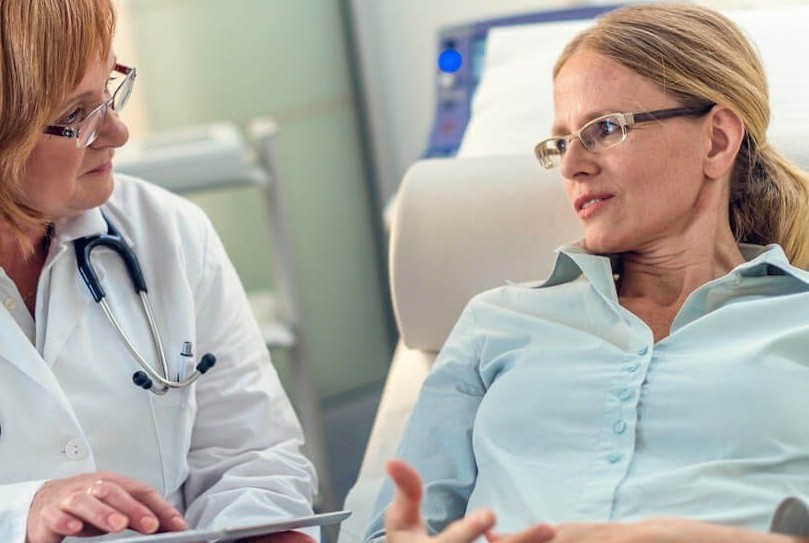
At Accord Superspecialty Hospital, Dr. Megha Sharda provides comprehensive care for patients with Parkinson’s disease. She offers precise diagnosis, personalized treatment plans, and ongoing support to manage both motor and non-motor symptoms. Through a combination of medications, therapy, patient education, and counseling, Dr. Sharda empowers patients to maintain mobility, independence, and confidence in their daily lives while accessing the latest advancements in Parkinson’s management.