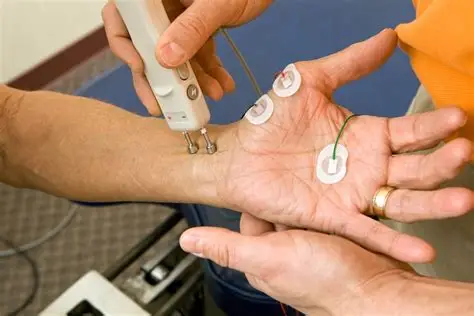
Neuropathy
What is Neuropathy?
Neuropathy, also known as peripheral neuropathy, is a condition that occurs when the peripheral nerves—the nerves outside the brain and spinal cord—are damaged. This can lead to weakness, numbness, tingling, or pain, usually in the hands and feet. Neuropathy can affect one nerve (mononeuropathy), several nerves (multiple mononeuropathy), or many nerves simultaneously (polyneuropathy). The condition can develop gradually or suddenly and can significantly impact daily activities and quality of life.
Causes and Risk Factors
Neuropathy can result from a variety of underlying causes. Diabetes is one of the most common contributors, but other causes include infections, autoimmune diseases, vitamin deficiencies, chronic alcohol use, exposure to toxins, and certain medications. Physical trauma or nerve compression can also lead to neuropathic symptoms. Risk factors such as age, uncontrolled blood sugar levels, poor nutrition, and lifestyle habits can increase susceptibility to nerve damage.
Recognizing Symptoms
Symptoms of neuropathy vary depending on the type and extent of nerve damage. Common signs include tingling, burning sensations, numbness, muscle weakness, and sharp or shooting pains. Some patients may experience loss of coordination or sensitivity to touch, temperature, or pain. Symptoms often start in the extremities and can progress over time, making early recognition and diagnosis important to prevent further nerve damage.
Possible Complications
If neuropathy is left untreated, it can lead to serious complications. Loss of sensation in the feet or hands increases the risk of injuries, burns, or infections. Chronic pain can interfere with sleep, work, and daily activities, leading to reduced independence and emotional distress. In severe cases, nerve damage can cause muscle wasting or impair the body’s ability to regulate blood pressure, digestion, and heart rate, emphasizing the importance of timely management.
Treatment and Medications
Treatment for neuropathy focuses on managing symptoms, addressing the underlying cause, and preventing further nerve damage. Medications such as pain relievers, anti-seizure drugs, or antidepressants can help control neuropathic pain. Lifestyle modifications, physical therapy, proper nutrition, and blood sugar management (in diabetic neuropathy) play a key role in improving function. In certain cases, surgical interventions or nerve decompression may be recommended. Early diagnosis and consistent care can help patients maintain mobility and quality of life.
Neuropathy Care with Dr. Megha Sharda
At Accord Superspecialty Hospital, Dr. Megha Sharda provides comprehensive care for patients with neuropathy. She offers detailed evaluation, personalized treatment plans, and ongoing support to manage symptoms effectively. By combining advanced medical therapies with patient education, lifestyle guidance, and counseling, Dr. Sharda empowers patients to reduce pain, improve nerve function, and maintain independence in their daily lives.